

Related posts Mastering Potty Training for Dogs in Apartments: Tips, Strategies, and Solutions November 16, 2024 Related posts Comprehensive Guide to Heartworm Disease in Dogs: Symptoms, Preventio...
Related posts
Mastering Potty Training for Dogs in Apartments: Tips, Strategies, and Solutions
Keeping your dog healthy and safe from diseases is a top priority for any pet owner, and understanding the basics of parvo prevention is an essential part of pet care. Parvovirus, or CPV-2, is a highly contagious virus that poses a significant threat, especially to puppies. This document will guide you through basic vaccination tips and preventive measures to protect your beloved pet from this dangerous disease.
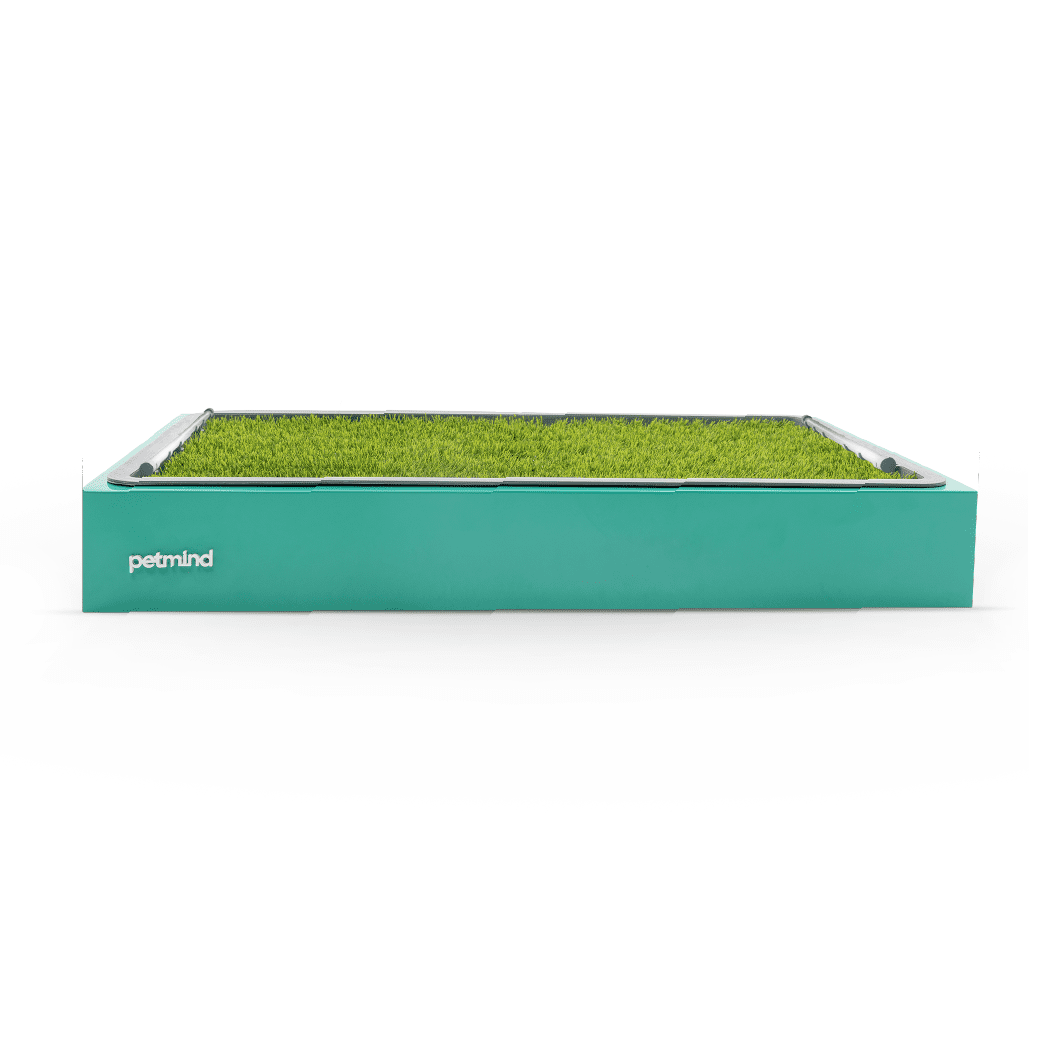
Potty training a dog in an apartment can be a unique challenge, but with the right strategies, it's completely manageable. The key is understanding the specific needs of apartment living, such as limited outdoor access and the necessity for quick responses to your puppy's signals. By employing effective potty training tips, using indoor dog potty solutions like cuboid s product, and establishing a consistent routine, you can create a seamless transition for your furry friend.
Potty Training Fundamentals
Understand Your Puppy's NeedsUnderstanding your puppy's needs is pivotal in successful potty training. Puppies have varying bladder control depending on their age, with a general rule being they can hold it for about one hour for each month of age. For instance, a two-month-old puppy might need to relieve itself every two hours. Recognizing this can help you plan a consistent potty schedule. Puppies often need to go shortly after waking, eating, or playing. Observing your puppy's behavior for signals like sniffing or circling will also alert you to their needs. Supervision is crucial during this stage to prevent accidents and reinforce good habits.Effective Supervision StrategiesEffective supervision is a cornerstone of potty training success. Keeping a close eye on your puppy helps you catch them in the act and guide them to the right potty spot. When you're present, watch for signs like sniffing or circling, which indicate they need to go. Quickly redirect them to their designated potty area. If you need to leave the room, consider using cuboid as an example, which also can be used for both indoor and outdoor. Remember, the goal is to prevent accidents and reinforce positive behavior. Consistent supervision helps instill good habits and builds a foundation for successful potty training in your apartment or high-rise setting.Positive Reinforcement TechniquesPositive reinforcement is a powerful tool in potty training your puppy. The goal is to encourage desirable behavior by rewarding it immediately after it occurs. When your puppy successfully uses the designated potty area, offer praise, treats, or playtime as a reward. This creates a positive association with the act, motivating them to repeat the behavior.
Apartment-Specific Solutions
Creating an Indoor Potty AreaCreating an indoor potty area is essential for apartment dog training, especially in high-rise buildings where outdoor access is limited. Choose a location in your home that is quiet and easily accessible, such as a bathroom corner or a balcony. you can use different solutions to allocate a suitable potty area setup at your apartment living. ensure your puppy knows this is their designated spot by guiding them there regularly.Timing and Scheduling TipsEstablishing a consistent timing and schedule is vital for effective potty training in an apartment setting. Begin by setting regular feeding times, as this will help predict when your puppy needs to go. Typically, puppies need to relieve themselves shortly after eating, drinking, waking up, or playing. Creating a schedule around these activities can improve predictability and success. Aim to take your puppy to their potty area every two to three hours, adjusting based on their age and ability to hold their bladder. Consistency reinforces routine, making it easier for your puppy to learn when and where it's appropriate to go. Use cues like a specific phrase or word when leading them to the potty area, which helps them associate the command with the action. Over time, as your puppy matures and gains better bladder control, you can gradually extend the intervals between potty breaks, making apartment living more convenient.Managing Accidents and Clean-UpAccidents are an inevitable part of the potty training process, especially in an apartment setting with limited outdoor access. It's crucial to handle these incidents calmly and effectively to prevent recurrent issues. It's important not to punish your puppy for accidents, as this can lead to anxiety and confusion. Instead, focus on reinforcing positive behavior when they eliminate in the correct area.
High-Rise Training Challenges
Balancing Indoor and Outdoor TrainingBalancing indoor and outdoor potty training is crucial for high-rise dwellers. Initially, focus on creating a reliable indoor routine. This provides a convenient solution for immediate needs when reaching the outdoors is impractical. As your puppy becomes consistent indoors, gradually introduce outdoor potty breaks, maintaining the same schedule and cues. This dual approach helps accommodate your puppy's needs while ensuring flexibility as they grow. Consistency is key; keep to regular times for both indoor and outdoor options. offers a practical solution during apartment living. Utilizing Balcony or Patio SpacesUtilizing balcony or patio spaces can be a great solution for potty training in high-rise apartments. These areas offer a convenient and accessible option for your puppy to relieve themselves, especially when quick trips outdoors aren't feasible. Begin by using a corner of your balcony or patio. This setup mimics an outdoor environment, making it easier for your puppy to transition when the time comes to go outside. Ensure the space is safe and secure to prevent any accidents or escapes. Regularly clean the area to maintain hygiene and prevent odors. Encourage your puppy to use this space consistently by leading them there during potty breaks and rewarding them for proper use, means; make the potty training process more manageable and convenient for both you and your puppy in a high-rise setting.
How long does it typically take to potty train a puppy in an apartment?Potty training duration varies based on the puppy's age, breed, and consistency in training. Typically, it can take several weeks to a few months for a puppy to be fully trained. Patience and consistency are key.What if my puppy refuses to use the indoor potty area?If your puppy hesitates to use the indoor potty area, try different surfaces like grass patches or change the location. Reinforce with positive rewards when they use it correctly to encourage this behavior.
Acknowledgment and DisclaimerThe information provided by Petmind is intended for educational and informational purposes only and should not be considered as medical advice or a substitute for professional veterinary care. Petmind does not provide any form of diagnosis, treatment, or medical recommendations for pets.If your pet is experiencing any medical issues or health concerns, it is essential to consult a licensed veterinarian immediately. Petmind encourages all pet owners to seek professional advice and prioritize their pet’s well-being through proper veterinary care.By using the information provided by Petmind, you acknowledge and agree that Petmind is not liable for any actions taken based on the content shared. Always consult a veterinarian for accurate diagnosis and appropriate treatment for your pet’s health needs.
Still have a questions?
If you have any questions, please contact us. Our team is here to provide support.
Enjoying this article?
Subscribe for more pet care tips delivered to your inbox.
AU
Admin User
AuthorPet care enthusiast and content creator at Pet Mind. Passionate about helping pet owners provide the best care for their furry friends.
6 articles
Member since Jan 2026
Shop Related Products
View All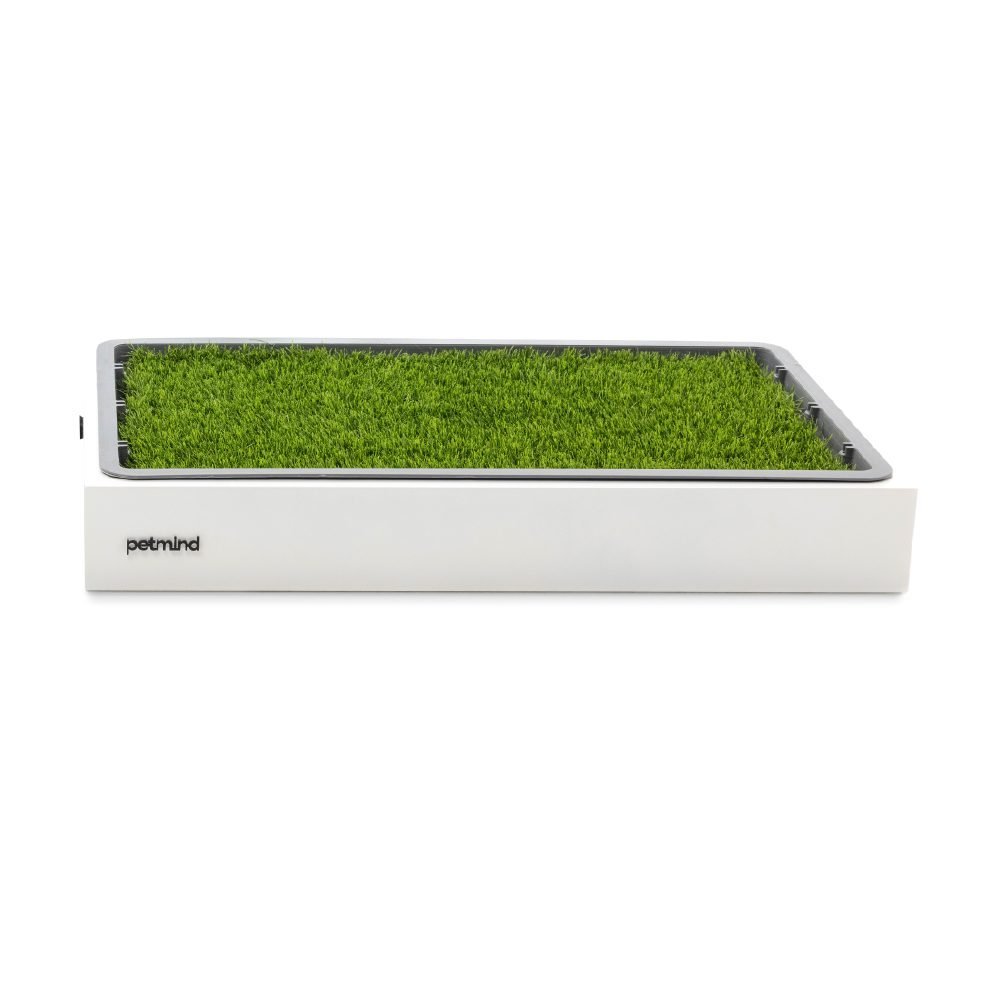

Comments (0)
Please login to leave a comment.
LoginNo comments yet. Be the first to share your thoughts!