
Related posts Comprehensive Guide to Heartworm Disease in Dogs: Symptoms, Prevention & Treatment November 16, 2024 Related posts Comprehensive Guide to Heartworm... Recognizing the Symptoms o...
Related posts
Unlocking the Secrets of Potty Training Methods: A Friendly Guide for Pet Parents
Keeping your dog healthy and safe from diseases is a top priority for any pet owner, and understanding the basics of parvo prevention is an essential part of pet care. Parvovirus, or CPV-2, is a highly contagious virus that poses a significant threat, especially to puppies. This document will guide you through basic vaccination tips and preventive measures to protect your beloved pet from this dangerous disease.
Training a new puppy to use a potty area often seems like a daunting task, but with the right guidance and methods, it becomes a manageable experience. Understanding the nuances of different potty training techniques is critical to fostering a positive and successful routine for your furry friend. In this guide, we will explore effective potty training methods, provide a comprehensive schedule for training puppies, and share training tips that focus on positive reinforcement.
Understanding Potty Training Basics
The importance of consistencyConsistency is the cornerstone of successful training in the use of potty area cuboid pro. Creating a routine helps your puppy understand what to expect and when. Start taking your puppy out at the same times every day – first thing in the morning, after meals and before bed. This predictable schedule helps strengthen the relationship between going out and doing their business. In addition, use the same potty place outdoors every time. The familiar smell will guide your puppy and indicate that it is time to go. Consistent commands and praise is also crucial. Use a certain word or phrase when your puppy starts using the potty and immediately follow up with praise or positive reinforcement therapy. This repetition builds a strong connection between command and action. The importance of timing Timing is everything when you want effective training in the use of cuboid potty. Puppies have small bladders and a high percentage of metabolism, which means they need frequent breaks from using potty area cuboid. As a rule, plan to take out your puppy every two hours, gradually extending the time as it grows. It is also necessary to schedule bath breaks after doing certain activities such as eating, drinking, playing and waking up from naps. These are the main moments when the puppy will likely need to relieve himself. Observing your puppy's behavior can also help—if they start sniffing or spinning, it may be time.
Positive Reinforcement Techniques
Positive reinforcement is an essential component of puppy potty training. This approach involves rewarding your puppy immediately after he has successfully used the potty area. The reward must be made immediate and consistent so that your puppy associates the act of going to the potty area with positive results. Avoid late responses, as puppies may not associate the reward with the desired behavior. Moreover, use a playful and encouraging tone to enhance the achievement. Over time, your puppy will begin to understand that going out leads to positive experiences.
Challenges and Solutions
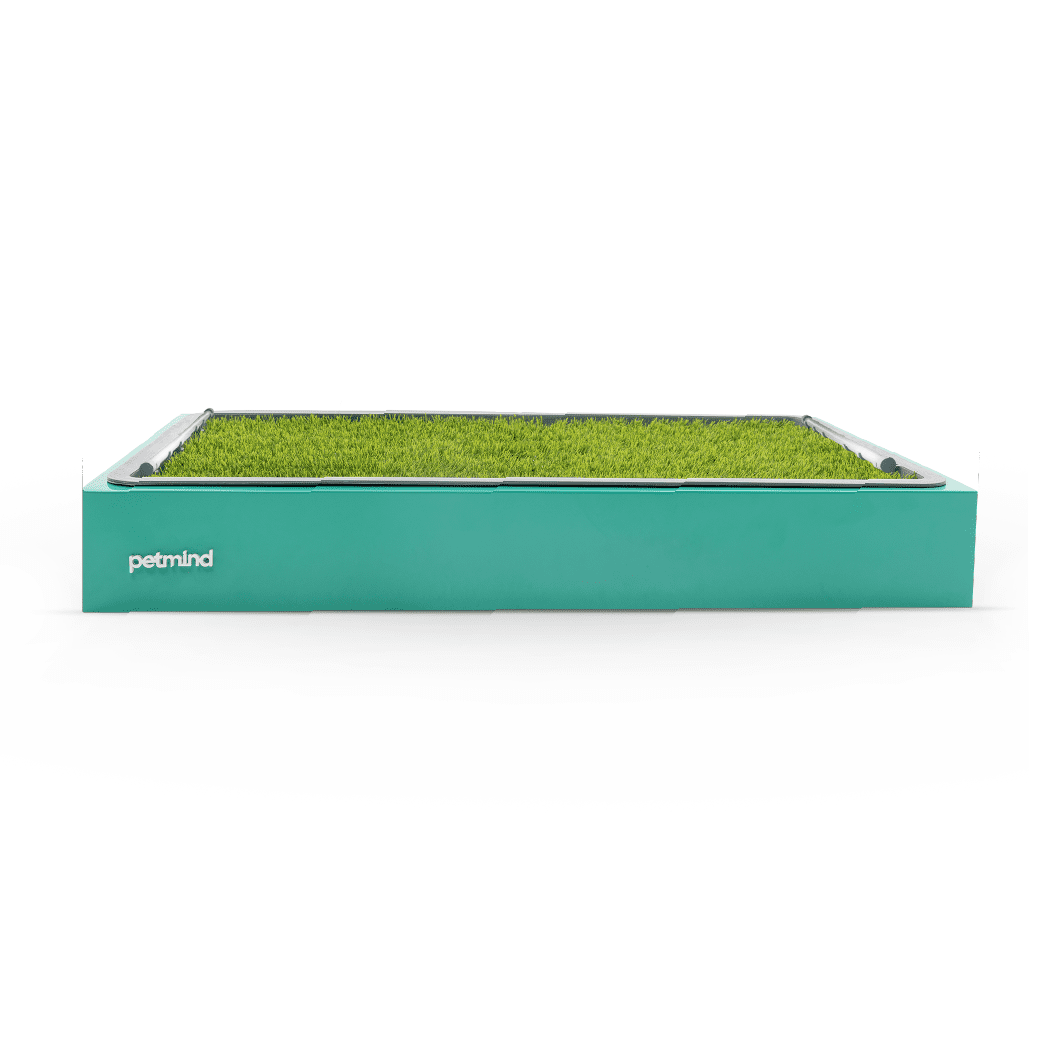
Managing Indoor AccidentsDealing with internal accidents becomes a challenge in training a puppy to use the bathroom. The solution is to deal with these situations calmly. When an accident occurs, avoid scolding your puppy as this can lead to anxiety and confusion. Alternatively, using Cuboid Pro that features an artificial turf cushion and a distinctive drainage system, which provides you with comfort and cleanliness at the same time.If accidents persist, it may be worth evaluating the potty usage schedule or consulting with a veterinarian to rule out medical problems. Consulting a VeterinarianIf your puppy continues to have frequent accidents despite ongoing potty area training efforts, consulting your veterinarian may be a necessary step. Ongoing internal accidents can sometimes be a sign of underlying health problems, such as urinary tract infections or digestive problems, that require professional attention. Your veterinarian can conduct a thorough examination to rule out medical causes and provide guidance on any necessary treatments. And if behavioral problems contribute to the problem, your veterinarian may suggest working with a professional trainer.
Advanced Potty Training Strategies
Age-Specific Training SchedulesImplementing age-specific training schedules is a strategic way to align potty breaks with your puppy's developmental needs. At eight weeks, puppies need frequent breaks, approximately every two hours, due to the microbladder. As it grows, you can gradually extend this time. By 14 weeks, the interval of three to four hours is usually changeable, and at 16 weeks, this extends to four to five hours. By 20 weeks, many puppies can handle a gap of six to seven hours between bath breaks. After six months, most of them can take control for eight hours during the day. However, active play or feeding times may require more frequent outings. Customizing the potty training schedule according to your puppy's age helps prevent accidents and promotes good habits. This age-specific approach respects your puppy's physical abilities and promotes a more easy transition to adult potty usage habits. Tools for Effective TrainingUsing the right tools can boost the efficiency of your potty training efforts.you can use Cuboid Pro by Petmin This smart pet potty is designed for indoor and outdoor use. It features an artificial grass pad for convenience and easy cleaning, a durable plastic tray, and an efficient drainage system.
Acknowledgment and DisclaimerThe information provided by Petmind is intended for educational and informational purposes only and should not be considered as medical advice or a substitute for professional veterinary care. Petmind does not provide any form of diagnosis, treatment, or medical recommendations for pets.If your pet is experiencing any medical issues or health concerns, it is essential to consult a licensed veterinarian immediately. Petmind encourages all pet owners to seek professional advice and prioritize their pet’s well-being through proper veterinary care.By using the information provided by Petmind, you acknowledge and agree that Petmind is not liable for any actions taken based on the content shared. Always consult a veterinarian for accurate diagnosis and appropriate treatment for your pet’s health needs.
Still have a questions?
If you have any questions, please contact us. Our team is here to provide support.
Enjoying this article?
Subscribe for more pet care tips delivered to your inbox.
AU
Admin User
AuthorPet care enthusiast and content creator at Pet Mind. Passionate about helping pet owners provide the best care for their furry friends.
6 articles
Member since Jan 2026
Shop Related Products
View All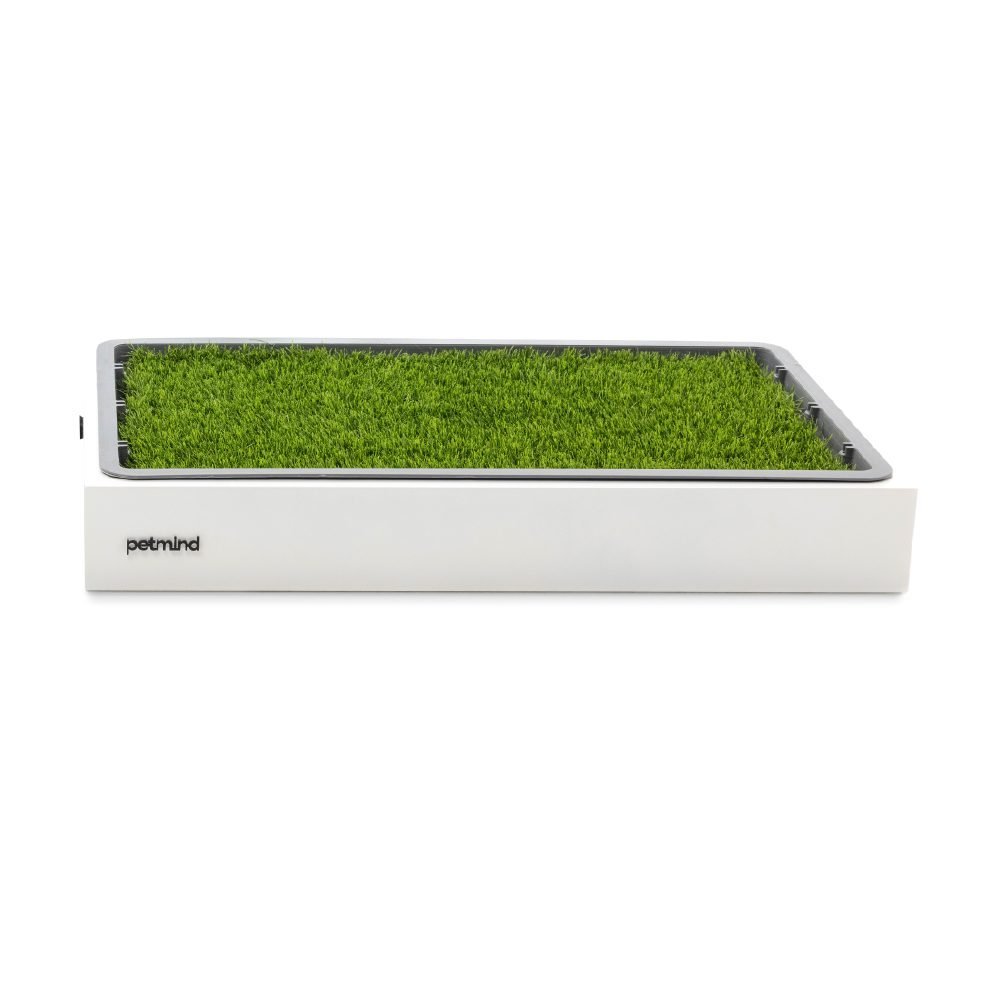


Comments (0)
Please login to leave a comment.
LoginNo comments yet. Be the first to share your thoughts!